
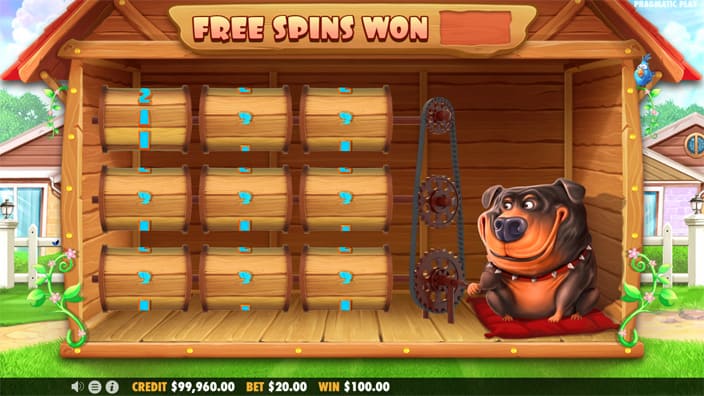
Slot tournaments have converted casual spinning into a proper battlefield, and few games seize that vibe better than The Big Dog House Slot https://thebigdoghouses.com/. When players participate in UK-based competitions featuring this title, their starting position isn’t assigned arbitrarily. Tournament seeding operates behind the scenes to shape every leaderboard, deciding who gets an early climb and who has to fight their way up from the back. For anyone committed to cashing in on these events, grasping how seeding works inside The Big Dog House Slot is not optional, it’s the bedrock of a winning approach. The process pulls together a player’s past performance, buy-in level, and sometimes even how fast they wrapped up their qualifying spins to construct a grid that feels balanced but still delivers real challenges. Getting your head around these mechanics explains why a high roller doesn’t always land the top spot and why a newcomer can suddenly surge forward with the right groundwork. From the volatility embedded in those canine-themed reels to the bonus buy options that alter spin counts, every detail plays into the seeding algorithm UK competition operators quietly run in the background.
Table of Contents
How Seeding Matters Higher Than the Starting Balance
Many players fixate on their opening coin balance, sure a bigger stack ensures a higher seed. In The Big Dog House Slot competitions, that idea crumbles the moment free spins, sticky wilds, and multiplier mechanics appear. Tournament seeding ranks participants based on projected scoring potential, not just the cash sitting in their virtual account. A player who regularly hits the bonus round, where Sticky Wilds lock and multiply across a generous grid, can earn a favourable seed even with a modest buy-in because the system detects their knack for getting the most out of the game’s features. This predictive layer is what differentiates beginner tournaments from the top-tier UK competitions where leaderboards shift minute by minute. It also explains why two players with identical starting amounts can end up seeded ten places apart. The seed attempts to forecast how well someone handles volatility. A hyper-aggressive player might get pushed down the order to see if they can handle high-dispersion outcomes, while a steady grinder secures a safer mid-table slot. Once you identify this pattern, you stop going after a bigger balance and start analyzing how your playstyle gets read by the seeding software.
Adjusting Strategy Once Seeded Near the Top
A high seed in a UK tournament featuring The Big Dog House Slot can feel like both a blessing and a target. When you start near the summit, the natural instinct is to protect what you have, but that often backfires because the game’s volatility will inevitably produce massive score jumps from below. The most successful frontrunners treat the early phase as a controlled experiment. They use a slightly reduced bet size while scouting the tempo, keeping an eye on the live leaderboard refresh rate. Since The Big Dog House Slot rewards patience with its Sticky Wild collection mechanic, a high seed can afford to wait for the right multiplier alignment rather than forcing bonus rounds. The initial cushion gives them breathing room to let others make mistakes. In slot tournaments, mistakes usually mean draining a bankroll too fast on fruitless bonus buys.
Just as important is deciding when to deploy the slot’s gamble feature, if the competition settings permit it. Some UK tournaments disable gamble options entirely to standardise seeding fairness, but those that leave it active present a fork in the road. A top seed using gamble to double a modest win into a sizeable score can stretch their lead, but a mistimed loss can unravel the seeding advantage in seconds. The pragmatic approach is to set a strict gamble percentage limit in advance. By treating the seeded position as a resource to be spent, not hoarded, competitors find the balance between defence and aggression that keeps them in the top bracket through the middle stretch of the event. This adaptive mindset turns a favourable seed into a long-term platform rather than a fleeting gift.
How The Big Dog House Calculates Seed Score
The Big Dog House Slot isn’t just a pretty face featuring cartoon canines. Behind the fun facade lies a statistical core that event organizers can interrogate. As a UK competition creates a scheduled game, the system frequently extracts recent playing data such as mean stake amount, bonus occurrence rate, and return‑per‑stake proportion over the last hundred spins. These numbers build a shadow profile the seeding algorithm uses to determine a starting position. If a player has consistently bought the bonus feature for 100x the stake and left with gains, their seed score skyrockets because the algorithm sees high‑risk, high‑reward behaviour that might take over a ranking. On the flip side, someone who sticks to minimum stakes with zero bonus buys might get a lower seed, encouraging them to expand their approach. Hence, two accounts on the identical slot can appear to receive different handling. The algorithm also incorporates playtime length. Marathon players who keep their bankroll alive for hours without tilting receive a consistency bonus that boosts their rank, rewarding endurance just as much as raw aggression.
One detail most people miss is the slot’s volatility marker. The Big Dog House Slot carries high volatility, and British competition coordinators often tweak seeding to keep players from early elimination because of a dry spell. If the algorithm notices a player often pursues the Free Spins feature and fails, it might place them a touch higher to offer a safety net versus an early losing streak. That is no guarantee of success, but it stops the leaderboard from becoming completely lopsided following the initial ten minutes. The seed algorithm combines a fairness mechanism with an excitement enhancer, making sure spectators and participants see a shifting, dynamic contest as opposed to a predetermined result known before play starts. Players who understand this mix can intentionally craft a playing record that communicates to the algorithm precisely what they wish it to notice before the entry deadline
Reading Between the Lines of Tournament Seeding Tiers
Most UK competitions hosting The Big Dog House Slot use concealed tier bands inside the seeding ladder. These bands are not always spelled out, but experienced players detect the patterns. The top tier usually goes to qualifiers who ended in the top five percent of previous events or those who cleared designated satellite rounds. The middle tier is a fluid mix of steady performers and wild cards who may have landed one massive bonus buy win. The lower tier, frequently the most dangerous, holds dark horses whose risk metrics are excessively unpredictable to call. Understanding which band you fall into changes how you approach the first fifty spins. A top seed could adopt a defensive posture, protecting their leaderboard spot instead of chasing more multipliers, while a bottom seed needs to flip the script straight away by risking everything on the Bone Bonus or Sticky Wild free spin rounds.
Deciphering these tiers means paying close attention to pre-tournament communications. Some organisers issue a seed list, frequently disguised as “suggested starting ranks.” Others provide hints about how much weight goes to loyalty points or deposit history. The Big Dog House Slot community on social platforms consistently shares anecdotal data, putting together the algorithm’s quirks. One common finding is that using the slot’s autoplay function during a previous qualifying round can diminish trust signals, because the system favors active manual input that matches a human decision loop. A player who manually stops the reels to simulate engagement might pick up a slight edge in seeding over someone who let the slot run unattended. These small edges build up, converting an ordinary ranking into a seeded position with a real shot at the prize pool.
Methods That Enhance Your Seeding Rank for UK Slot Tournaments
Building a strong seed rank in https://tracxn.com/d/companies/gcash2win/__DksoHpeYjy-UVTyB_nJ8mHqd-5uRrFsT8j4sporJ9yo The Big Dog House Slot event circuit doesn’t require deception, just a smart plan to your pre-event sessions. The following approaches have been seen across various UK ranking series and can help raise your initial rank naturally:
- Complete at least three full bonus rounds in a one sitting before signing up to prove feature-triggering consistency.
- Diversify your bet size with purpose instead of keeping to one monotonous level, which indicates adjustable money management to the tracking system.
- Steer clear of frequent bonus buys in rapid succession if they cause losses; the program registers this as rash behavior and might hurt your seeding.
- Play your games during busy periods when the operator’s system is actively adjusting seed lists, ensuring that your latest stats is newly analyzed.
- Keep a good win-rate on the base game spins alone, not just the bonus games, as certain sites distinguish these stats.
Each of these actions sends a clear signal that you’re a strategic competitor, not someone gambling blindly. The Big Dog House Slot, with its sharp line between base game limbo and the lucrative bonus grid, makes it easy for tracking algorithms to isolate where your true ability lies. A player who is skilled at stretching small base wins into longer playing time shows budget preservation, a trait that top-ranked players highly regard. Combine that with well-timed bonus buys that leverage the slot’s oversized multiplier potential, and you create a seed history that tournament algorithms find hard to ignore. It’s not about luck. It’s about crafting a data path that indicates you are a top contender even before the competition begins.
The Connection Between Seed Ranking and Free Spin Timing
In The Big Dog House Slot,
Typical Errors That Wreck Seeding Potential
Even experienced gamblers occasionally harm their own seeding in The Big Dog House Slot competitions by walking into predictable traps. The biggest error is altering playstyle drastically just before registration. The algorithm that reviews recent data cannot read intent; it only reads actions. If a high-roller suddenly lowers to minimum stakes to preserve funds, the seeding system sees a loss of confidence and demotes them accordingly. Pursuing a massive progressive jackpot on another slot right before a tournament can drain not only the bankroll but also the activity metrics The Big Dog House Slot platform depends on to build a seeding profile. The fragmented data confuses the algorithm, resulting in a default middle-tier placement that fails to reflect actual ability.
Another error is ignoring the specific tournament rules around rebuys and add-ons. Some UK competitions permit a limited number of rebuys with a seed penalty applied, while others freeze your seeding after the first entry. Players who expect unlimited rebuys without a seed downgrade often find themselves buried in the lower ranks after a single re-entry, questioning why their starting position plummeted. Checking the fine print and modeling the seeding impact in a low-stakes trial gov.uk event is a discipline that distinguishes professional competitors from hobbyists. The Big Dog House Slot community forums are filled with cautionary tales of talented players who lost podium spots because they didn’t respect how rebuy mechanics interacted with seeding weight, a lesson that’s easily avoided with a few minutes of preparation.
Finally, forgetting to account for network latency and spin confirmation times during live tournaments can affect the seeding calculation. The algorithm records when a spin result is registered on the server, and if a player’s connection introduces delays, it can look as though they are pausing between spins, artificially inflating the “time per decision” metric. This can cause the system to treat the player as overly cautious, moving their seed down a few notches. A reliable connection and a device that handles The Big Dog House Slot’s graphics without lag aren’t just quality-of-life improvements; they are quiet contributors to a seeding score that could represent the difference between a comfortable top-ten start and a frantic scramble.
